



From Barcode to Blockchain: How Digital Product Passports Are Reinventing Supply Chain Transparency

By Eva Richardson | The Logistic News
April 16, 2025
As global industries face mounting pressure to prove the origin, authenticity, and environmental impact of the goods they produce, Digital Product Passports (DPPs) are emerging as a revolutionary tool in the supply chain’s quest for transparency. Initially piloted in the fashion industry, these next-generation data carriers are now gaining traction across electronics, consumer goods, and pharmaceuticals—reshaping how products are designed, distributed, and even recycled.
“If supply chains were once black boxes, digital passports are now opening them up—down to the thread, the circuit, and the carbon footprint,” says Isabelle De Vries, Head of Sustainability at the European Logistics Network.
What Is a Digital Product Passport?
A Digital Product Passport is a standardized digital record that travels with a product from manufacturing through end-of-life. It includes detailed information about:
-
Origin and sourcing of raw materials
-
Factory and labor conditions
-
Emissions and environmental impact
-
Instructions for reuse, recycling, and repair
-
Compliance with international sustainability directives
Unlike barcodes or QR codes that simply track inventory, DPPs provide structured, dynamic, and machine-readable data, often secured by blockchain or verified digital ID platforms, making them virtually tamper-proof.
A Regulatory Tailwind from Europe
The European Union is at the forefront of this transition. Under the EU Ecodesign for Sustainable Products Regulation (ESPR), digital passports will soon be mandatory for textiles, electronics, batteries, and construction materials sold within the bloc.
Companies like H&M, Samsung, and Schneider Electric are already piloting DPP programs, working with logistics providers to embed the technology into existing warehouse and delivery systems.
“DPPs are not just about compliance—they’re a new lens through which customers, regulators, and investors assess brand integrity,” says Dr. Marta Kellman, a supply chain innovation researcher at ETH Zurich.
Logistics Implications: Beyond the Label
For logistics providers, DPPs represent both a challenge and an opportunity. Integration with warehouse management systems (WMS), transport management systems (TMS), and customs interfaces will be critical. Meanwhile, forwarders are exploring new service models based on DPP data—such as smart packaging, predictive returns processing, and sustainable reverse logistics.
Some 3PLs are also embedding IoT and digital twin technology to feed real-time environmental performance metrics into each product’s passport, offering end-to-end carbon accounting.
A Competitive Differentiator
Beyond regulatory compliance, DPPs are quickly becoming a strategic differentiator. Brands using them report increased consumer trust, reduced returns, and more efficient recycling programs. In sectors like luxury goods and pharmaceuticals, DPPs also combat counterfeiting by offering verifiable authenticity data throughout the chain.
“In a world where consumers scan before they buy, the data you deliver is just as important as the product itself,” says Eva Martínez, COO of a Spain-based e-logistics startup.
Conclusion
Digital Product Passports mark a decisive shift in how products are tracked—not just through warehouses and ports, but across their entire lifecycle. For logistics leaders and supply chain strategists, embracing this technology may not just be a competitive edge—it could soon become the price of entry in tomorrow’s transparent economy.
Eva Richardson is a senior correspondent at The Logistic News. Her work in the EchoChain series explores how transparency, ethics, and digital infrastructure are transforming global supply chains.
The post From Barcode to Blockchain: How Digital Product Passports Are Reinventing Supply Chain Transparency appeared first on The Logistic News.
Share this post

Related
Posts

Drone attacks disrupt operations at Oman’s major ports
Operations at several major Omani maritime facilities have been disrupted following drone attacks targeting the ports of Duqm and Salalah,...

London marine insurers expand Middle East war-risk zones
Marine insurers in London have expanded the list of high-risk maritime areas in response to escalating hostilities across the Middle...

MSC declares “end of voyage” for Arabian Gulf shipments
Global container shipping leader MSC has declared an “End of Voyage” for all cargo currently bound for ports in the...
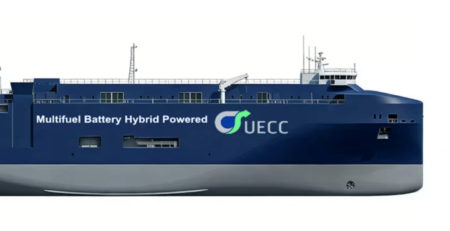
UECC strengthens green fleet with two new hybrid car carriers
European vehicle carrier United European Car Carriers (UECC) has confirmed the order of two new multi-fuel battery-hybrid Pure Car and...