



Emerging Economies Find Ways to Absorb U.S. Tariff Shocks

A new analysis from Verisk Maplecroft suggests that most major emerging economies will weather Washington’s new tariff regime far better than expected. The study, published Thursday, finds that countries such as China, India, Brazil, and Indonesia have already adapted through diversified export bases, stronger regional trade links, and flexible currencies, giving them room to maneuver as U.S. duties rise.
The report argues that while headline trade volumes could dip in the short term, structural shifts are cushioning the blow. Supply chains are quietly re-routing toward intra-Asian corridors, South–South exchanges, and regional manufacturing clusters serving multiple end-markets rather than relying solely on North America.
Economists interviewed by Reuters said the current tariff round—targeting sectors from green technology to steel and electronics—will likely rearrange trade lanes instead of collapsing them. India, for instance, is strengthening links with Southeast Asia through the Regional Comprehensive Economic Partnership, while Latin America’s exporters are pivoting to Europe and intra-continental demand.
“The era of hyper-globalization is gone, but the idea that trade is dying is wrong,” said one Singapore-based trade analyst. “It’s reorganizing, not retreating.”
For logistics operators, this changing map translates into new opportunities for multimodal integration. Freight forwarders are already exploring east-west and south-south lanes once considered marginal, from Vietnam to the Middle East or Mexico to West Africa.
The broader takeaway from Maplecroft’s data is that resilience now depends on adaptability: countries able to shift sourcing and currency exposure quickly will keep their cargo moving even when policy winds change.
The post Emerging Economies Find Ways to Absorb U.S. Tariff Shocks appeared first on The Logistic News.
Share this post

Related
Posts

US Truckload Capacity Edges Higher as Major Carriers Rebalance Fleets
The Journal of Commerce’s Truckload Capacity Index (TCI) recorded a slight increase in the fourth quarter, reflecting a cautious expansion...
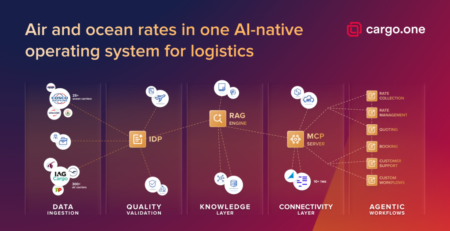
cargo.one Unveils AI-Native Operating System for Multimodal Freight
Air cargo booking platform cargo.one has announced the launch of what it describes as the industry’s first AI-native operating system...
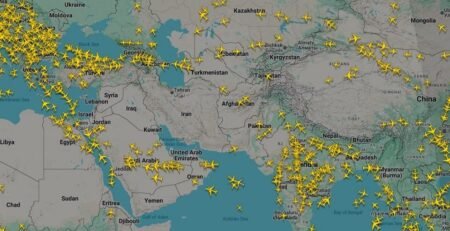
Forwarders Brace for Delays and Rising Costs After Iran Strikes
Global freight forwarders are warning customers to prepare for delays, disrupted schedules and rising transport costs following missile strikes involving...

Air Cargo Operations Suspended Across the Middle East as Conflict Escalates
Air cargo networks across the Middle East have been severely disrupted following the rapid escalation of military tensions in the...