



Onboard cameras: technology alone is insufficient in the absence of a true policy

The problem of cameras mounted on trucks was discussed at the Trimble Insight 2025 trade exhibition mainly from the aspect of usage regulations rather than only from a technological one. Installing cameras without establishing a clear policy, according to a number of speakers, causes more stress than security.
The primary takeaway is straightforward: the camera is merely a tool. The way the business uses it is what counts. Lack of a clear structure makes drivers feel like they are being watched all the time, which can erode retention and trust. Instead, the gadget can be used as a tool for training, legal protection, and accident prevention with clear guidelines on what is recorded, what is analyzed, how long the images are stored, and who has access to them.
The danger of “data overload” was also mentioned by experts; fleet managers who receive too many warnings and video streams become overwhelmed and unsure of where to concentrate their efforts. The most sophisticated fleets filter data, give priority to a few critical indicators (distractions, hard braking, near-miss crashes), and then transform those signals into focused coaching programs.
Lastly, the discussion brought to light a topic that is becoming more and more strategic: cameras and their data are becoming into a compliance issue in and of itself, with ramifications for social interactions, privacy, and GDPR (for operations in Europe). In this regard, the speakers’ conclusion is clear: the camera is a device in the absence of a defined policy; with sound governance, it becomes a cornerstone of fleet management and traffic safety.
The post Onboard cameras: technology alone is insufficient in the absence of a true policy appeared first on The Logistic News.
Share this post

Related
Posts

US Truckload Capacity Edges Higher as Major Carriers Rebalance Fleets
The Journal of Commerce’s Truckload Capacity Index (TCI) recorded a slight increase in the fourth quarter, reflecting a cautious expansion...
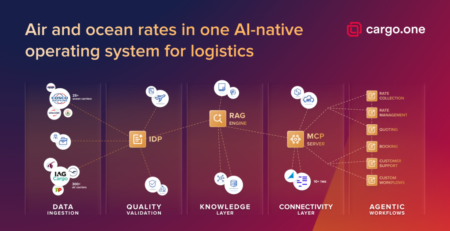
cargo.one Unveils AI-Native Operating System for Multimodal Freight
Air cargo booking platform cargo.one has announced the launch of what it describes as the industry’s first AI-native operating system...

Forwarders Brace for Delays and Rising Costs After Iran Strikes
Global freight forwarders are warning customers to prepare for delays, disrupted schedules and rising transport costs following missile strikes involving...

Air Cargo Operations Suspended Across the Middle East as Conflict Escalates
Air cargo networks across the Middle East have been severely disrupted following the rapid escalation of military tensions in the...