



Gradual return to Suez: a risk of a cold shower on intra-Asia rates

As traffic thru the Suez Canal begins to normalize after the security crisis in the Red Sea, shipowners are preparing to redistribute some of the vessels deployed on detour routes via the Cape. Good news for overall transit times… but a more worrying outlook for freight rates on some regional routes, particularly intra-Asia.
During the period of disruption, the detours via Africa captured a significant portion of the global fleet, reducing available capacity on regional trades. This tension allowed intra-Asia to benefit from artificial rate support, boosted by fewer ships and still strong demand from industrial shippers.
With the gradual return of large container ships on the East–West routes via Suez, the situation could change rapidly. The capacities released on long-haul services are likely to be cascaded toward regional connections, which would increase competitive pressure on intra-Asia operators. . The analysts cited by Seatrade Maritime warn: even if demand remains strong, a massive influx of tonnage could disrupt the upward trend observed in recent months. 
For freight forwarders operating in Asia, several challenges are emerging: • Anticipate a normalization of rates and adapt commercial offers, • Monitor the alliance and service strategies of major companies, which could reconfigure their rotations, • Take advantage, in the short term, of windows of opportunity to secure capacities under more favorable conditions.
More broadly, this return to Suez shows how hypersensitive the market remains to geopolitical decisions and the reopening of key corridors. Global freight forwarder networks will need to continue diversifying their routes and partners to avoid relying on a single scenario: that of a Suez always open and fluid.
The post Gradual return to Suez: a risk of a cold shower on intra-Asia rates appeared first on The Logistic News.
Share this post

Related
Posts

US Truckload Capacity Edges Higher as Major Carriers Rebalance Fleets
The Journal of Commerce’s Truckload Capacity Index (TCI) recorded a slight increase in the fourth quarter, reflecting a cautious expansion...
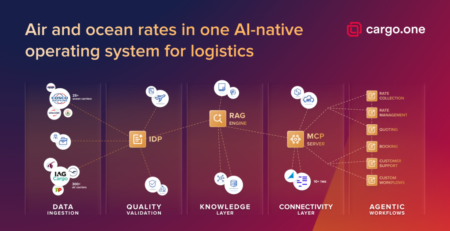
cargo.one Unveils AI-Native Operating System for Multimodal Freight
Air cargo booking platform cargo.one has announced the launch of what it describes as the industry’s first AI-native operating system...
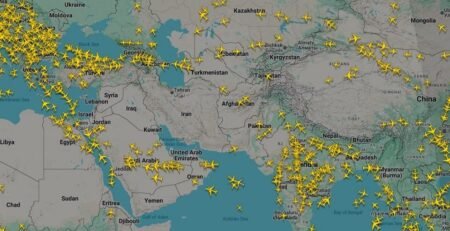
Forwarders Brace for Delays and Rising Costs After Iran Strikes
Global freight forwarders are warning customers to prepare for delays, disrupted schedules and rising transport costs following missile strikes involving...
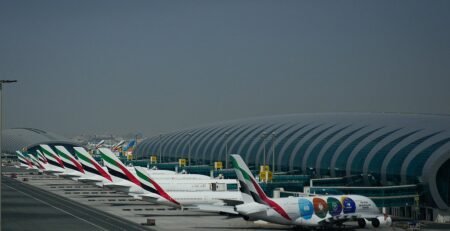
Air Cargo Operations Suspended Across the Middle East as Conflict Escalates
Air cargo networks across the Middle East have been severely disrupted following the rapid escalation of military tensions in the...