



US Truckload Capacity Edges Higher as Major Carriers Rebalance Fleets
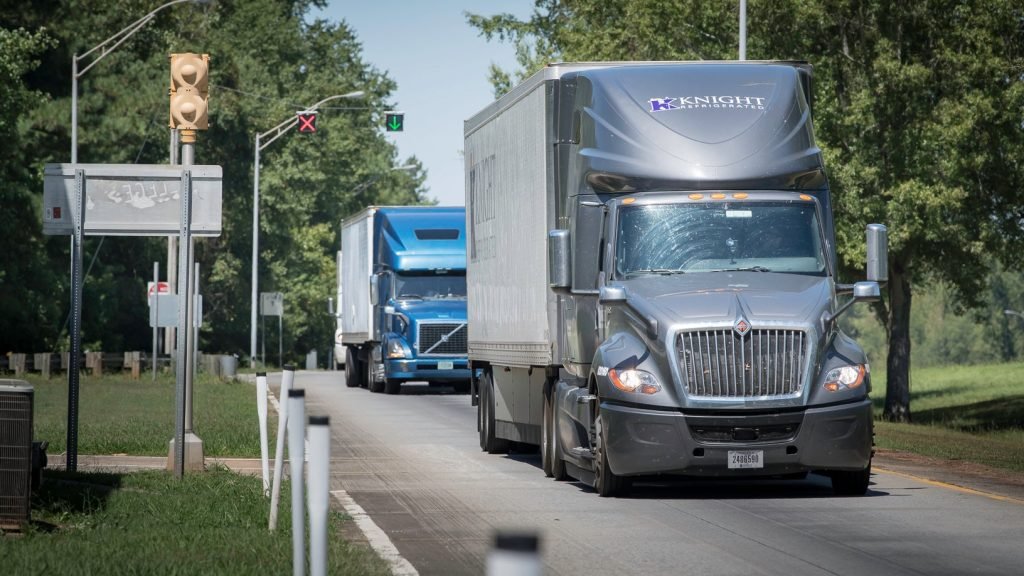
The Journal of Commerce’s Truckload Capacity Index (TCI) recorded a slight increase in the fourth quarter, reflecting a cautious expansion of fleet capacity among large publicly listed US carriers.
The index rose from 72.4% in the third quarter to 73.5% in Q4, as total truck counts within the monitored carrier group increased by approximately 1.5%. Despite the uptick, the reading remains historically low — the second weakest level since 2013 and well below the peak of 93.2% recorded in the second quarter of 2022.
The TCI, which measures actual truck counts against a baseline set in Q4 2006, highlights the measured approach carriers are taking amid volatile demand conditions and fluctuating spot market rates.
Importantly, the additional trucks deployed in late 2025 were not primarily directed toward traditional one-way truckload operations. Instead, much of the incremental capacity was allocated to higher-margin dedicated and specialised services.
Werner Enterprises, a member of the TCI carrier group, has been actively restructuring its one-way business to concentrate on expedited, cross-border Mexico and engineered freight segments. Chairman and CEO Derek Leathers described the shift as a strategic recalibration rather than a retreat from the one-way market.
In late January, Werner announced the acquisition of FirstFleet, a dedicated fleet operator managing approximately 2,400 tractors and generating $615 million in annual revenue. The deal is expected to increase Werner’s dedicated trucking revenue by around 50%.
Although Werner reduced its one-way truck count by nearly 14% year-on-year in Q4, its dedicated segment saw modest growth. With the integration of FirstFleet, its dedicated fleet is projected to exceed 7,000 trucks.
Covenant Logistics, another carrier within the index group, also posted a slight year-on-year fleet increase in Q4 but signalled a disciplined capital strategy for 2026. The company expects to operate a modestly smaller fleet by year-end and plans net capital expenditure between $40 million and $50 million.
Executives at large truckload carriers anticipate that tightening capacity conditions could eventually tilt market leverage back toward operators after three years of freight recession. Early signs of contract rate increases — albeit in low single digits — have begun to emerge.
Additional factors may accelerate this rebalancing. A government crackdown on English language proficiency requirements for drivers, non-domiciled commercial driver’s licenses, substandard CDL schools and electronic logging device compliance is expected to drive smaller carriers out of the market.
Shippers, meanwhile, are expressing renewed concern over capacity reliability and cargo security, further supporting demand for asset-based, dedicated programs.
While the modest rise in the TCI suggests incremental recovery, carriers appear determined to maintain discipline. Rather than pursuing rapid expansion in response to spot rate volatility, large operators are prioritising targeted growth, margin stability and operational resilience.
The post US Truckload Capacity Edges Higher as Major Carriers Rebalance Fleets appeared first on The Logistic News.
Share this post

Related
Posts

US Truckload Capacity Edges Higher as Major Carriers Rebalance Fleets
The Journal of Commerce’s Truckload Capacity Index (TCI) recorded a slight increase in the fourth quarter, reflecting a cautious expansion...

cargo.one Unveils AI-Native Operating System for Multimodal Freight
Air cargo booking platform cargo.one has announced the launch of what it describes as the industry’s first AI-native operating system...
Forwarders Brace for Delays and Rising Costs After Iran Strikes
Global freight forwarders are warning customers to prepare for delays, disrupted schedules and rising transport costs following missile strikes involving...

Air Cargo Operations Suspended Across the Middle East as Conflict Escalates
Air cargo networks across the Middle East have been severely disrupted following the rapid escalation of military tensions in the...