



Air Cargo Capacity Slowly Recovers as Middle East Conflict Reshapes Flows
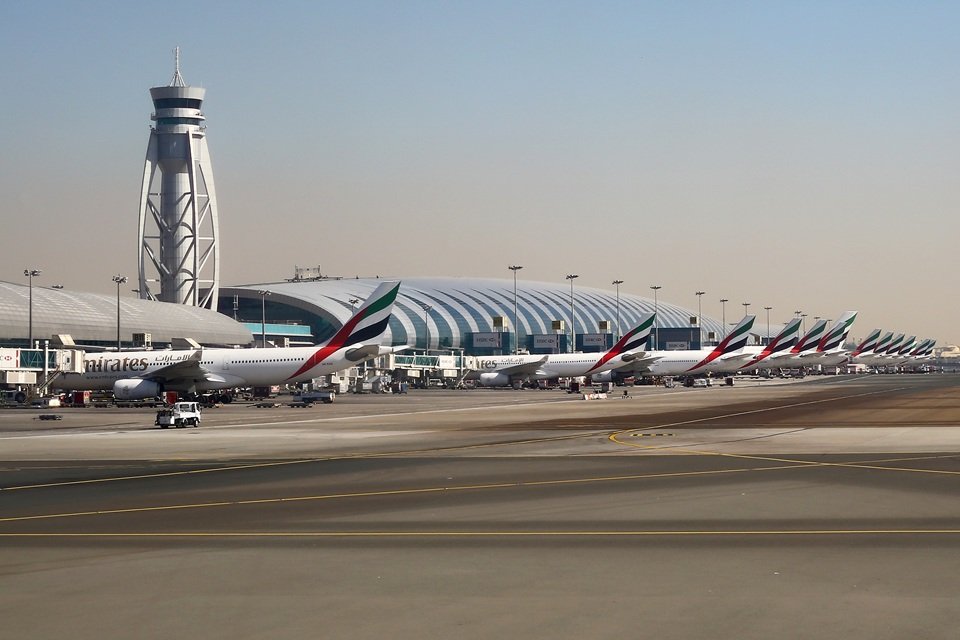
Global air cargo capacity is showing early signs of recovery—but the market remains far from stable.
Following the outbreak of conflict in the Middle East, international widebody capacity dropped sharply. While the decline has eased from 20% in the immediate aftermath to 11% below pre-Chinese New Year levels, the sector continues to operate under significant pressure.
The disruption is largely driven by reduced operations from Middle Eastern carriers, which play a central role in global cargo flows. Airlines such as Qatar Airways and Emirates—two of the world’s largest cargo operators—have scaled back services, impacting key trade corridors.
Asia-Europe routes have been among the hardest hit, with capacity reductions of up to 39% on certain lanes. In response, carriers are rapidly adjusting their networks, increasing direct flights between Asia and Europe while also boosting transpacific capacity.
The supply shock is pushing freight rates higher. Prices from Hong Kong to Europe have surged above $5.15 per kilogram—an increase of nearly 30%—while rates from India to the US and Europe have jumped by as much as 60% to 80%.
These shifts highlight a broader realignment of global air cargo flows, as the industry adapts to a new geopolitical reality.
For now, recovery remains fragile—and heavily dependent on how the conflict evolves in the weeks ahead.
⸻
The post Air Cargo Capacity Slowly Recovers as Middle East Conflict Reshapes Flows appeared first on The Logistic News.
Share this post

Related
Posts
From Prague to Global Trade: OrangeBlue s.r.o. and the Rise of Czech Logistics
In the evolving landscape of European supply chains, the Czech Republic is quietly strengthening its position as a central logistics...

Air Cargo Capacity Slowly Recovers as Middle East Conflict Reshapes Flows
Global air cargo capacity is showing early signs of recovery—but the market remains far from stable. Following the outbreak of conflict...
LATAM Cargo Advances Decarbonization with Sustainable Fuel Salmon Shipment
LATAM Cargo is taking a concrete step toward greener logistics by partnering with a forwarder and exporter to transport salmon...

AirCairo Expands Cargo Ambitions with Aeroprime Partnership in India and UAE
AirCairo is accelerating its cargo expansion strategy through an extended partnership with Aeroprime Group, covering operations in both India and...