



Governments Race to Secure Critical Minerals

Copper, lithium, cobalt, rare earths. Names once familiar only to engineers are now being spoken in cabinet meetings and parliaments. This week, from Brussels to Washington to Tokyo, governments rushed to announce new deals and new stockpiles. The concern is the same everywhere: without secure access to critical minerals, the energy transition stalls.
In Europe, trade officials confirmed fresh talks with suppliers in Africa and South America. The target is bold—by 2030, at least 40 percent of Europe’s demand for key minerals should come from “trusted partners.” In the United States, the Department of Energy unveiled $600 million in funding for domestic refining projects, hoping to chip away at Chinese dominance. Japan, for its part, quietly expanded its rare earth stockpile program, a safety net for both electronics and defense industries.
The urgency is easy to explain. Global electric vehicle sales are on track to hit 20 million units in 2026, a figure that will double battery demand in less than two years. Grid-scale storage for wind and solar projects adds another layer of pressure.
For the logistics world, this is not just policy talk. It means new flows of bulk cargo, busier ports handling ore shipments, and more specialized containers moving refined chemicals. Forwarders say they are already mapping fresh routes through South American ports into Europe, while carriers in Asia are pushing for long-term contracts tied directly to mining projects.
And yet, the gap remains wide. Mines take years to develop. Refineries are concentrated in just a handful of countries. One European analyst put it bluntly: “Everyone wants resilience. Everyone is making promises. But the supply isn’t there yet, and the bottleneck will run straight through logistics.”
The post Governments Race to Secure Critical Minerals appeared first on The Logistic News.
Share this post

Related
Posts
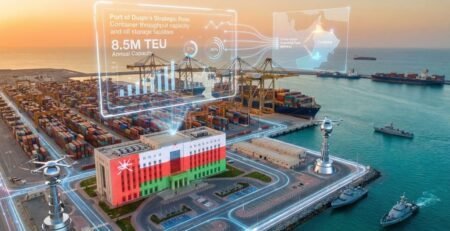
Drone attacks disrupt operations at Oman’s major ports
Operations at several major Omani maritime facilities have been disrupted following drone attacks targeting the ports of Duqm and Salalah,...
London marine insurers expand Middle East war-risk zones
Marine insurers in London have expanded the list of high-risk maritime areas in response to escalating hostilities across the Middle...
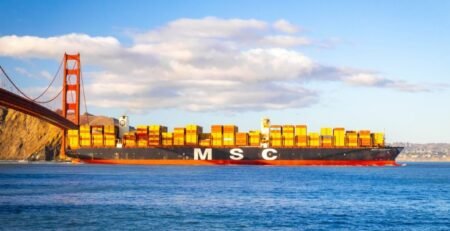
MSC declares “end of voyage” for Arabian Gulf shipments
Global container shipping leader MSC has declared an “End of Voyage” for all cargo currently bound for ports in the...
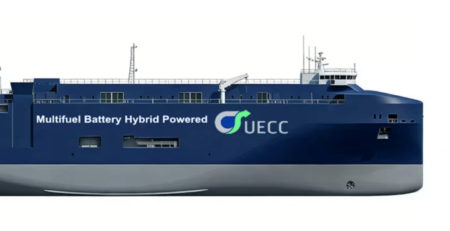
UECC strengthens green fleet with two new hybrid car carriers
European vehicle carrier United European Car Carriers (UECC) has confirmed the order of two new multi-fuel battery-hybrid Pure Car and...