



Transtar Linehaul Collapse Highlights Australia’s Freight Strain
By Maria Kalamatas | July 28, 2025
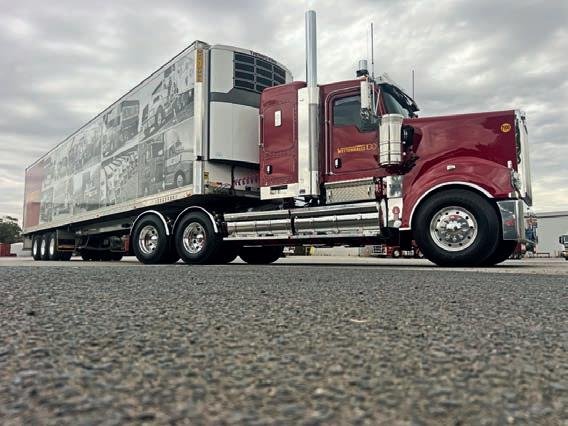
Sydney, July 28 — One of Australia’s established trucking operators has entered administration, underscoring the mounting pressures facing the country’s road freight sector. Transtar Linehaul, which serviced routes across New South Wales and Victoria, has halted operations as administrators move to sell off its fleet.
“This isn’t an isolated case — it’s a sign of how tough the market has become,” said Karen Dwyer, an industry analyst with Southern Cross Logistics Insights. “High wage costs, insurance premiums, and fuel volatility have combined to break even long-standing carriers.”
Demand remains, but margins collapse
Despite steady freight volumes in key retail and agricultural corridors, rising operating costs have eaten away at profits. Wage expenses for drivers are up nearly 8 percent this year, while insurance rates for long-haul trucks have climbed sharply following several high-profile accidents.
Many operators, including Transtar, expanded fleets aggressively between 2021 and 2023 when demand spiked post-pandemic. That growth, Dwyer said, is now working against them.
Carriers turn to restructuring and asset sales
Administrators are preparing to auction Transtar’s trucks and depots to satisfy creditors, with rival carriers expected to acquire most of the assets. Some surviving operators are already shifting toward shorter, higher-yield regional routes while outsourcing longer hauls to rail partners.
“The ones that survive will be those willing to rethink their networks,” Dwyer added. “Pure long-haul players are struggling to make the math work.”
Pressure mounting on regional supply chains
The collapse comes as Australia heads into its peak grain export season, putting added stress on already stretched regional networks. Smaller carriers may see temporary gains as they absorb displaced freight, but analysts warn that service disruptions are likely.
Retailers reliant on just-in-time deliveries could face delays of up to three days in affected regions, particularly for east–west corridors linking Melbourne, Adelaide, and Perth.
More consolidation on the horizon
Industry observers expect further failures in the coming months unless fuel costs stabilize and insurers ease premiums. Many believe a wave of mergers is inevitable as operators fight to remain competitive.
“This is a market correction, but it’s going to hurt,” Dwyer said. “By next year, we could see a smaller, more consolidated trucking industry emerge.”
The post Transtar Linehaul Collapse Highlights Australia’s Freight Strain appeared first on The Logistic News.
Share this post

Related
Posts

US Truckload Capacity Edges Higher as Major Carriers Rebalance Fleets
The Journal of Commerce’s Truckload Capacity Index (TCI) recorded a slight increase in the fourth quarter, reflecting a cautious expansion...

cargo.one Unveils AI-Native Operating System for Multimodal Freight
Air cargo booking platform cargo.one has announced the launch of what it describes as the industry’s first AI-native operating system...
Forwarders Brace for Delays and Rising Costs After Iran Strikes
Global freight forwarders are warning customers to prepare for delays, disrupted schedules and rising transport costs following missile strikes involving...

Air Cargo Operations Suspended Across the Middle East as Conflict Escalates
Air cargo networks across the Middle East have been severely disrupted following the rapid escalation of military tensions in the...