



Port productivity: how simulation put SVTI back on the path to profitability

In terminals, performance is not solely determined by infrastructure: operator training becomes a major accelerator of productivity and quality. In Chile, the SVTI terminal (San Vicente Terminal Internacional) explains that it has initiated a significant turnaround by integrating simulation into its crane operator training program, with a clear objective: to move out of a deficit situation and regain commercial confidence.
The starting point was critical: competitive pressure, regional overcapacity, and the imperative to secure new clients. To convince, SVTI had to demonstrate consistent operational capacity, particularly on a concrete indicator of productivity per shift. The internal analysis highlighted two complementary levers: improving equipment availability (maintenance/asset management) and accelerating the skill development of operators.
The simulation provided an immediate advantage: training without immobilizing costly assets, repeating complex scenarios (weather, incidents, activity peaks), and shortening the time before being operational in real conditions. Result: Fewer “crane” hours consumed for training, savings on maintenance, and better standardization of practices. SVTI also highlights broader benefits: strengthening the safety culture, improving social relationships, and reducing emissions by transferring part of the training away from real machines.
In a port market where SLAs and continuity are decisive, the SVTI story underscores a fundamental trend: “performance thru competence,” driven as an industrial investment, becomes as important a commercial argument as the physical capacity of the terminal.
The post Port productivity: how simulation put SVTI back on the path to profitability appeared first on The Logistic News.
Share this post

Related
Posts

European Cargo to launch China–Teesside freighter services
European Cargo has announced plans to launch five weekly freighter services between China and Teesside International Airport while establishing a...
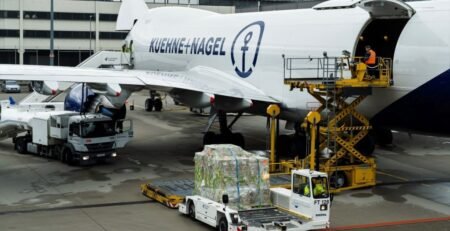
Kuehne+Nagel retains top airfreight ranking despite DSV–Schenker deal
Kuehne+Nagel (K+N) has maintained its position as the world’s largest airfreight forwarder by volume, despite DSV’s acquisition of DB Schenker...
Air cargo tackles backlogs as Middle East capacity crunch deepens
Air cargo operators continue to grapple with the fallout from escalating Middle East conflict, as airspace closures, route suspensions and...
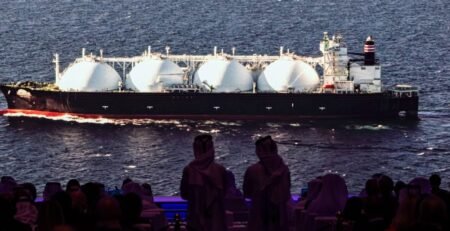
Global energy crisis looms as Arabian Gulf exports halt
Qatar has halted LNG production at Ras Laffan, one of the world’s largest liquefied natural gas production and export terminals,...