



Circular Shipping Gains Traction in South America as Valparaíso Sets a New Standard
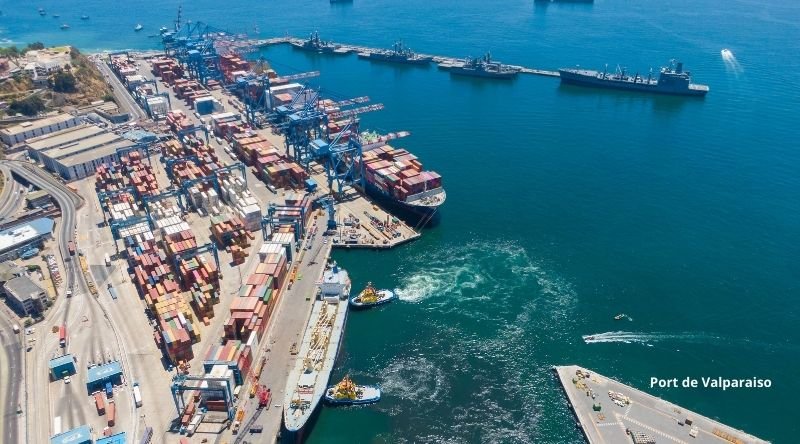
Valparaíso, Chile – June 3, 2025
By Maria Kalamatas | The Logistic News
Section: EchoChain
Ports are no longer just gateways for global trade—they are becoming engines of sustainability. In Valparaíso, Chile’s second-largest seaport, a circular logistics pilot has gone from theory to action, reshaping how maritime hubs manage waste and reuse materials.
“We’ve shifted from moving goods to designing systems,” said Claudia Espinoza, head of environmental innovation at the Port of Valparaíso. “Circularity is no longer a side project—it’s becoming the main objective.”
From Containers to Cycles
The initiative began with a simple premise: nothing leaves the port unused. Wooden pallets are now tracked, repaired, and returned to exporters. Discarded packaging is sorted and sold back into the supply chain. Even excess plastic wrap from imports is repurposed locally for agricultural use.
Within the first two months of operation, Valparaíso recovered over 540 tonnes of material previously considered waste—an equivalent reduction of nearly 700 tonnes of CO₂ emissions.
Exporters See the Benefits
Chilean exporters have quickly adapted. An avocado producer in Petorca reported a 21% cut in packaging costs thanks to reused shipping materials supplied directly through the port’s recovery center. Cold-chain operators now benefit from shared refrigeration resources, which reduce energy loads and emissions.
“The efficiency gains are real. We’re lowering both our costs and our footprint,” said Francisco Rojas, operations manager at AndeLog, a major logistics firm in central Chile.
A Model for the Region
Valparaíso’s blueprint is being closely monitored by regional authorities. The governments of Peru and Ecuador are considering similar programs, with a focus on coastal hubs in Callao and Guayaquil.
International observers, including port authorities from Hamburg and Busan, have expressed interest in replicating parts of the system to improve their own sustainability frameworks.
Future-Proofing Logistics
Next steps include implementing a digital registry for recyclable flows, offering transparency to clients and regulators alike. The port is also exploring blockchain-based traceability for reused cargo components—a move that could redefine compliance reporting across the industry.
“Circular logistics is no longer optional. It’s a competitive advantage,” Espinoza emphasized. “What we’re building is a smarter, cleaner way to run a port—and others are watching.”
 Maria Kalamatas
For The Logistic News – EchoChain Section
The post Circular Shipping Gains Traction in South America as Valparaíso Sets a New Standard appeared first on The Logistic News.
Share this post

Related
Posts

European Cargo to launch China–Teesside freighter services
European Cargo has announced plans to launch five weekly freighter services between China and Teesside International Airport while establishing a...

Kuehne+Nagel retains top airfreight ranking despite DSV–Schenker deal
Kuehne+Nagel (K+N) has maintained its position as the world’s largest airfreight forwarder by volume, despite DSV’s acquisition of DB Schenker...

Air cargo tackles backlogs as Middle East capacity crunch deepens
Air cargo operators continue to grapple with the fallout from escalating Middle East conflict, as airspace closures, route suspensions and...

Global energy crisis looms as Arabian Gulf exports halt
Qatar has halted LNG production at Ras Laffan, one of the world’s largest liquefied natural gas production and export terminals,...