



Starlink at sea: a ship sanctioned in Chinese waters, compliance becomes a hot topic again
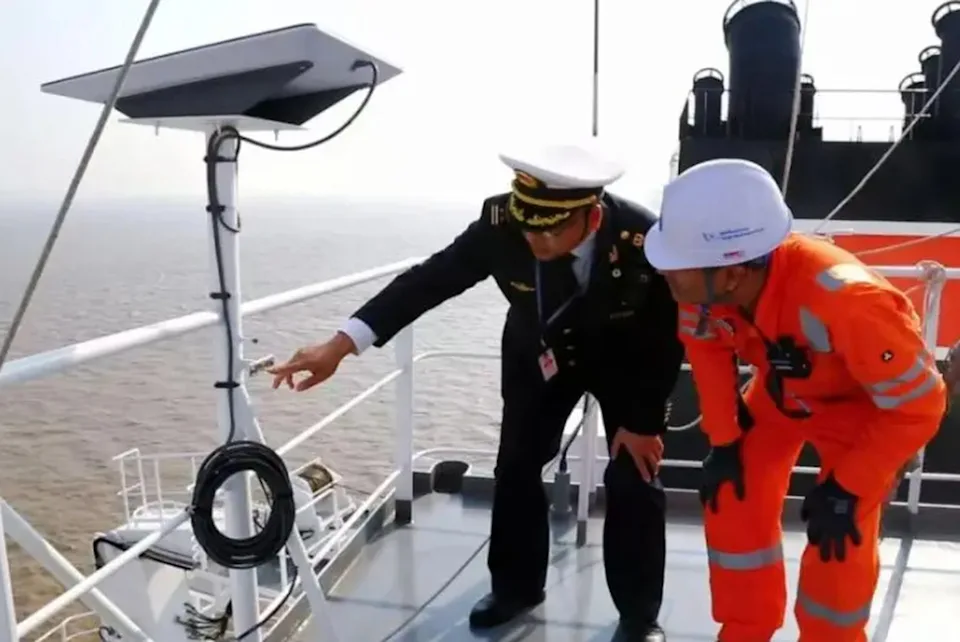
Connectivity at sea has changed scale: low-orbit satellite solutions, including Starlink, have become an almost standard tool for part of the global fleet. But the episode reported by Seatrade Maritime News reminds us of an essential point: technology advances faster than regulatory frameworks… and some countries let nothing pass.
According to the information relayed, a ship was reportedly penalized for using Starlink in Chinese waters. The issue is not just technical: it touches on compliance, communication control, and operating rules in sensitive areas. In clear terms, what is commonplace on one road can become problematic a few miles further down, depending on the jurisdiction.
For shipowners and fleet managers, the message is clear: “good practice” is no longer simply about installing a high-performance antenna, but about defining usage rules, compliance parameters, and activation/deactivation procedures according to the zones. The risk? Sanctions, immobilizations, or operational frictions that immediately translate into costs and delays.
This case also highlights a maritime digital governance issue: who decides on authorized equipment, how to prove compliance, and how to manage the requirements of certain states on maritime communications? Connectivity has become a critical infrastructure. And like any critical infrastructure, it is now monitored, regulated… and sometimes sanctioned.
The post Starlink at sea: a ship sanctioned in Chinese waters, compliance becomes a hot topic again appeared first on The Logistic News.
Share this post

Related
Posts

European Cargo to launch China–Teesside freighter services
European Cargo has announced plans to launch five weekly freighter services between China and Teesside International Airport while establishing a...

Kuehne+Nagel retains top airfreight ranking despite DSV–Schenker deal
Kuehne+Nagel (K+N) has maintained its position as the world’s largest airfreight forwarder by volume, despite DSV’s acquisition of DB Schenker...
Air cargo tackles backlogs as Middle East capacity crunch deepens
Air cargo operators continue to grapple with the fallout from escalating Middle East conflict, as airspace closures, route suspensions and...
Global energy crisis looms as Arabian Gulf exports halt
Qatar has halted LNG production at Ras Laffan, one of the world’s largest liquefied natural gas production and export terminals,...